
Category: Sales Automation
Guides, comparisons and playbooks on Sales Automation, written for teams putting AI employees to work in sales, marketing and support. Every article below explains what to do, what it costs and where the approach breaks down.
Use this section if you are evaluating a platform, planning an automation, or trying to work out whether a task is worth handing to an agent at all. We publish the specific numbers and the trade-offs rather than the summary that vendors usually give. Start with the most recent piece, or browse all Parallel AI articles, see what the platform costs, or book a walkthrough against your own data.
Most of these pieces follow the same shape: the problem in plain terms, the options that exist, the one we would pick and why, and the failure mode to watch for in the first month. Where a competitor does something better, the article says so, because a recommendation you cannot verify is worth very little. Where our own product is the wrong fit, the article says that too.
If you only read one thing, read the article that matches the job you are trying to remove this week, not the one that sounds most strategic. Automation pays back fastest when it starts from a task someone is already dreading, has a clear definition of done, and produces an output you can check in a minute. Everything else can wait until that first one is running.
Each guide assumes you are the person doing the work, not a procurement team. That means the advice is written for a solo operator or a team of five, with budgets in the hundreds rather than the hundreds of thousands, and tools you can set up on a Tuesday afternoon. Where a recommendation only makes sense at larger scale, the article says so plainly.

Outbound Sales Automation: Why Most Teams Pick the Wrong Tool
Outbound sales automation has two generations: sequencers that send and AI agents that run the whole SDR job. Here’s how to pick before you burn a domain.
AI Sales Agent: Automate Prospecting, Outreach & Follow-Up from First Touch to Closed Won
An AI sales agent automates prospecting, outreach & follow-up. See how AI SDRs, voice agents & sequences book meetings from first touch to closed won.
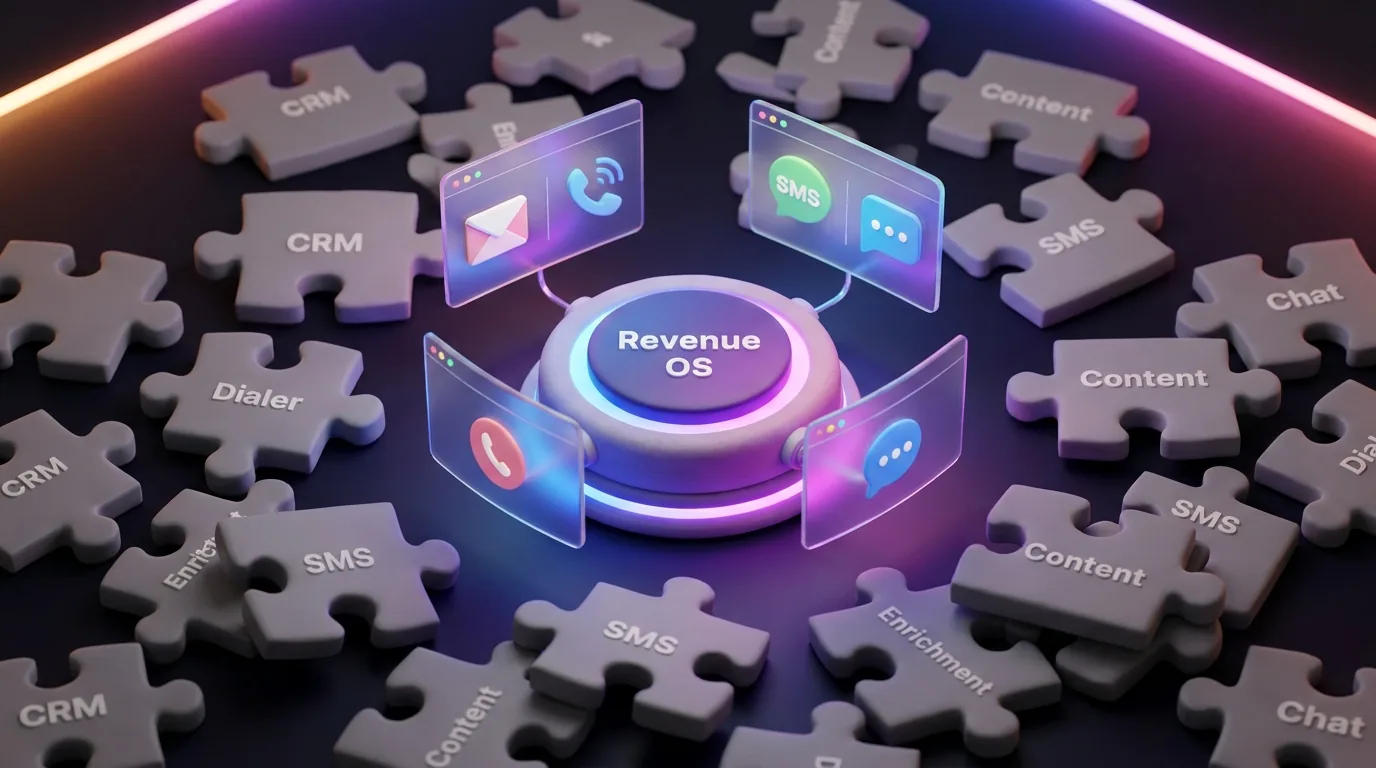
6 Smartlead Alternatives That Replace Your Sales Stack
Too many sales teams are stuck juggling a mishmash of tools: a CRM here, a dialer there, an SMS platform over there, plus a chat widget, a content generator, and a data enrichment service. They’re all supposed to work together, but they don’t. Instead, you get data silos, constant manual handoffs, subscription costs that keep…
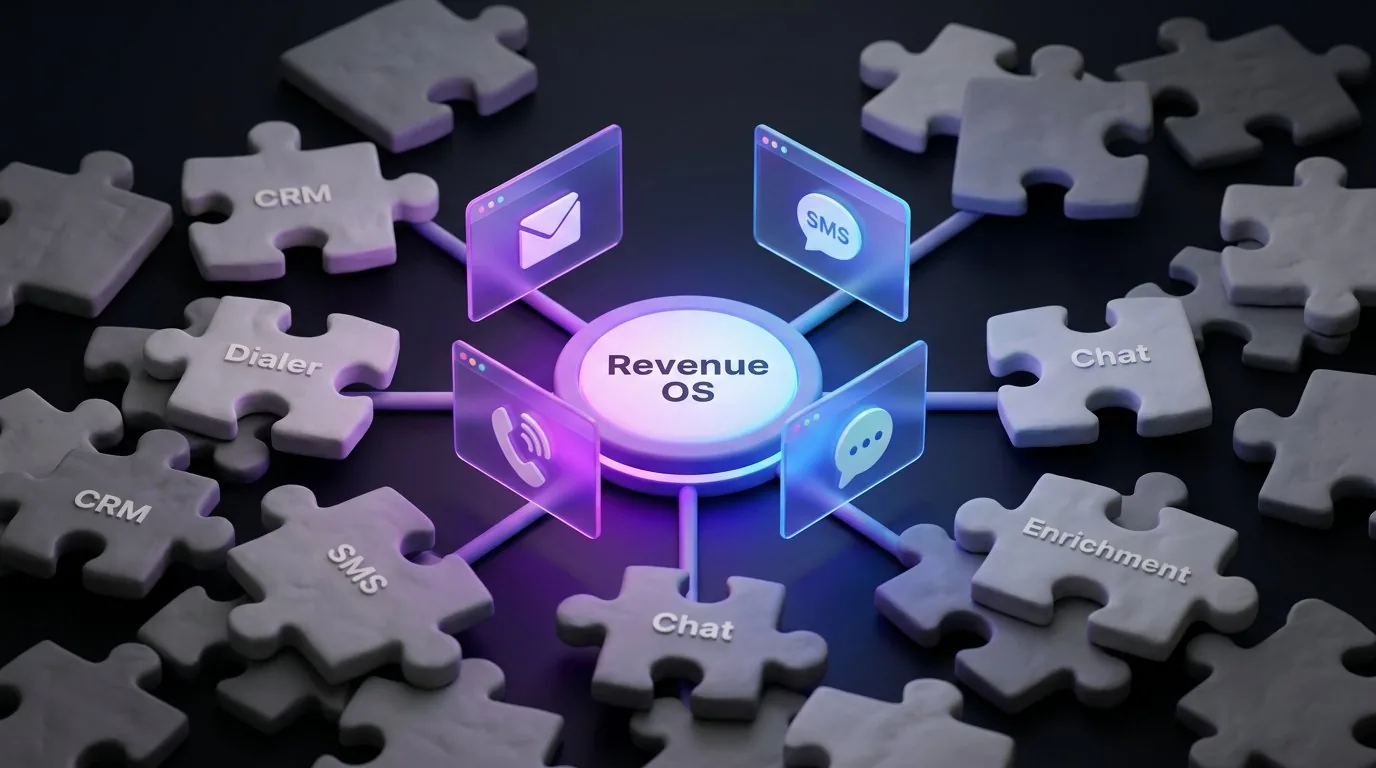
5 Instantly.ai Alternatives That Outperform the Original
For sales teams and agencies scaling their outreach, Instantly.ai is a go-to for cold email automation. It does what it promises: sending more emails that hit primary inboxes. But as you grow, you realize email is just one cog in the revenue machine. Sticking with a single-point tool like Instantly means cobbling together separate tools…
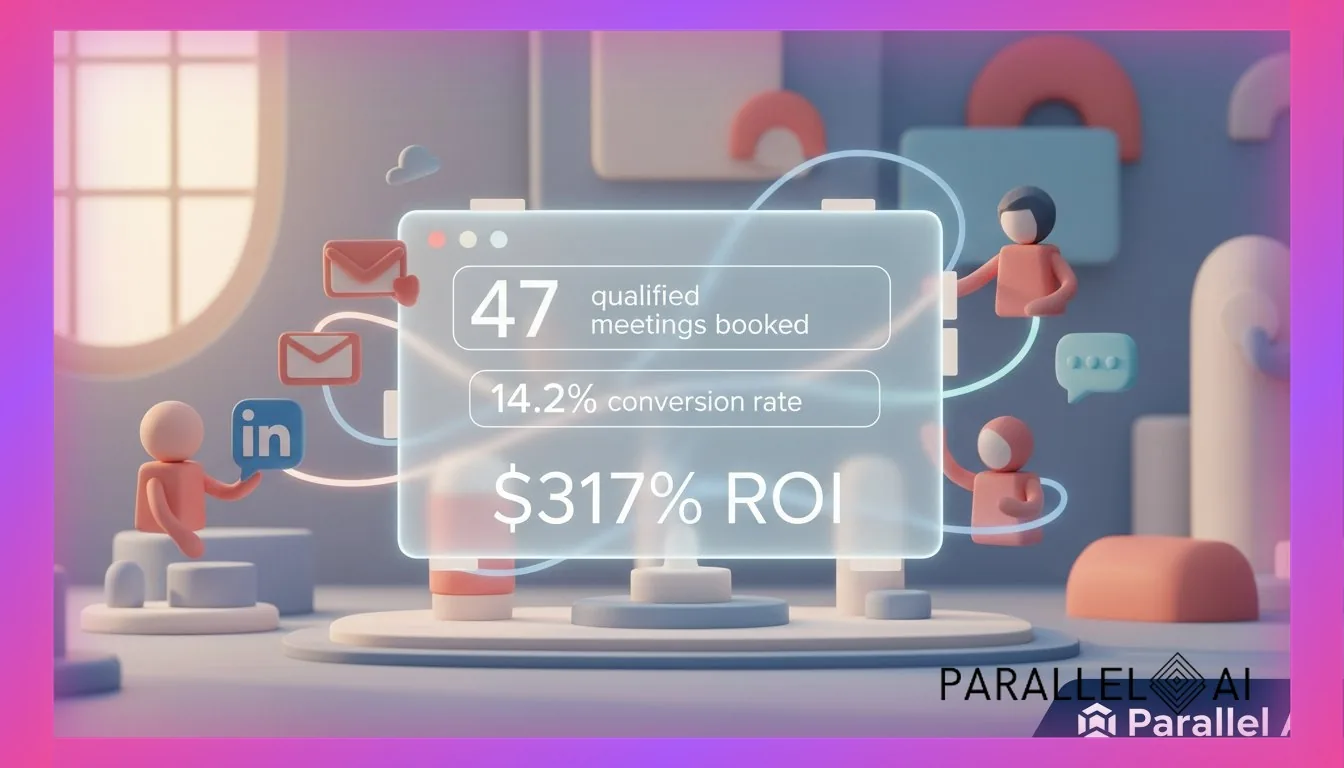
AI SDR Deployment in 2026: Building Multi-Agent Sales Systems That Generate 317% ROI Without $110K Salaries
Imagine waking up to 47 qualified meetings booked while you slept. Not from a team of expensive sales reps burning through your budget, but from AI SDR agents working across email, LinkedIn, and chat. They respond to prospects in minutes instead of hours, personalize outreach at scale, and convert leads at 14.2% instead of the…

AI SDR Deployment Guide: How Solopreneurs Are Building 24/7 Sales Agents That Generate 150+ Qualified Leads Monthly (Without Enterprise SDR Budgets or Technical Teams)
The sales landscape just shifted beneath your feet. While you’re manually researching prospects on LinkedIn and crafting personalized cold emails one at a time, your competitors are deploying AI SDR agents that work around the clock, qualify leads in real-time, and book qualified meetings while you sleep. The gap isn’t closing—it’s widening every day. But…
Questions about these guides.
Who writes the guides in this section?
Every article here is written by the team that builds Parallel AI: the people who run the product, onboard customers and test the workflows themselves. We do not publish guest posts, and we do not accept paid placements in comparisons.
How do you decide what to cover?
Topics come from the questions customers ask on calls: what a tool actually costs, whether a task is worth handing to an agent, and what breaks in the first month. When a question keeps coming up and we have a real answer, it becomes an article.
Are the comparisons biased toward your product?
Where a competitor does something better, the article says so. Where Parallel AI is the wrong fit for the job you describe, the article says that too. A recommendation you cannot verify is worth very little, so each piece names its sources and its limits.
Want the short version instead? See what the platform costs, or book a walkthrough against your own data.